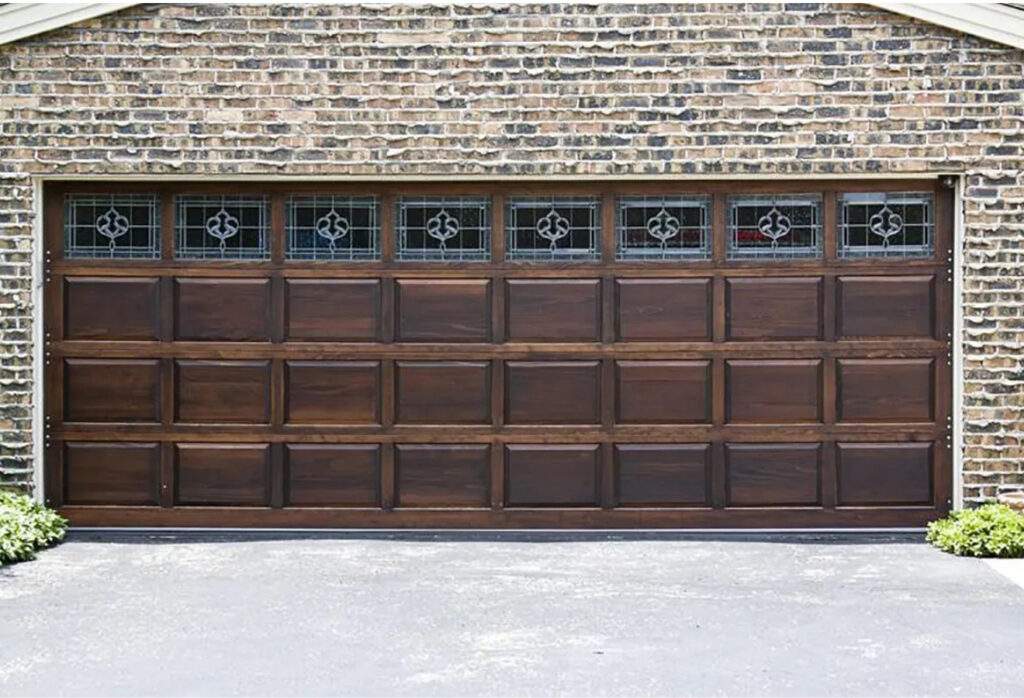
Why Professional Garage Door Installation Is Worth the Cost
A garage door is the heaviest moving part of most homes, and the springs that balance it store enormous mechanical energy. A double-car steel door weighs 150 to 200 pounds. The torsion spring above it is wound tight enough to lift that weight hundreds of times over the spring's life. If that spring releases suddenly during installation, the results can be severe. Professional installation is not about convenience: it is about handling that tension correctly and making sure every safety system is set up before the first homeowner-operated cycle.
What makes garage door installation genuinely dangerous?
Most home improvement projects carry modest risk. Garage door installation is different because of the spring system. Torsion springs sit above the door on a steel shaft. They are wound under high tension and must be wound or unwound with calibrated winding bars while the door is in a specific position. A slip, the wrong tool, or a spring with hidden metal fatigue can release all of that tension in a fraction of a second.
The U.S. Consumer Product Safety Commission tracks more than 30,000 garage-door-related emergency room visits each year. A meaningful share of those happen during installation and repair, not normal operation. Springs and cables are the most common cause. OSHA specifically cautions against untrained workers handling high-tension components, and for good reason. The risk is not hypothetical.
Beyond the springs, a misaligned track puts uneven stress on the rollers and cables from the first cycle. The door may still work, but it will wear out its components faster than it should, and the failure usually comes as a broken cable or a seized roller at the worst possible time.
What does a proper professional installation include?
A correctly done installation is not just placing panels and bolting tracks. It is a calibrated sequence with several checks that protect the door, the opener, and the people who use it every day.
Structural inspection before any panels go in
A technician checks the wood jambs and header for rot, softness, or damage before the first panel is set. A door anchored to soft framing will pull away from the wall over time, especially under the load of an opener motor. Damaged wood gets replaced before the installation continues.
Spring calibration to exact weight spec
Torsion springs are sized and wound to the specific weight and height of the door being installed. An undersized or under-wound spring makes the door feel heavy, strains the opener motor, and shortens the life of every moving part. An over-wound spring can snap. Getting this right requires knowing the door's exact weight, which is why an on-site estimate matters more than a phone quote.
Balance test before the opener is connected
With the spring system set, the technician disconnects the opener and lifts the door to the halfway point by hand. A correctly balanced door stays at mid-height when released. One that drops or shoots up has the wrong spring tension, and that problem is corrected before the opener is ever plugged in. Skipping this test is the most common DIY shortcut and the one most likely to burn out a new motor in the first year.
Safety sensor alignment and force calibration
Federal law requires photoelectric safety sensors on all residential openers. The sensors must be mounted 6 inches off the floor on each side of the opening, aimed directly at each other, with no wiring or interference in the beam path. The down-force setting on the opener is also calibrated so the door reverses when it meets resistance, not just when it hits the floor hard. A board placed flat on the floor during the force test should cause the door to reverse. If it does not, the force is too high and the door is a hazard.
What happens when an installation goes wrong?
The financial risk of a botched installation adds up quickly. The comparison table below shows both the individual repair costs and the warranty issue, which is often overlooked until it matters.
Most garage door manufacturers require installation by a licensed professional to honor the product warranty. If a DIY installer misaligns the tracks and the panels crack at the hinges six months later, the warranty claim will likely be denied. The manufacturer's position is that the product was not installed to spec. That leaves the homeowner paying full price for repairs on a door that should still be under warranty. A labor warranty from the installing company is the coverage that fills this gap and gives you recourse if something was done wrong.
For more on what the installation process looks like in practice, including what to look for when choosing a local installer, see our garage door installation guide and our overview of choosing the right door for your home.
We handle full residential installation and replacement across the Denver metro area, including haul-away of the old door and a written labor warranty on our work. Get a free estimate and we will come out, measure the opening, and give you a firm price before any work starts.
DIY vs. professional garage door installation
These are the realistic tradeoffs. The upfront labor savings of a DIY approach can disappear quickly if one step goes wrong.
| Factor | DIY installation | Professional installation |
|---|---|---|
| Spring winding | High injury risk without proper tools and training | Done with calibrated winding bars to the exact spec for door weight |
| Track alignment | Difficult to verify square without experience | Checked with a level and adjusted before panels are installed |
| Safety sensor alignment | Common source of errors; misaligned sensors cause door reversal or failure to close | Aligned, tested, and documented before job is called complete |
| Manufacturer warranty | Often voided by non-professional installation | Preserved; labor warranty also covers the install itself |
| Balance test | Often skipped or not known | Standard step; out-of-balance door is corrected before crew leaves |
| Travel limits | Easy to set wrong, leading to door reversing or motor strain | Calibrated precisely for the specific door height and floor clearance |
| Upfront cost | Lower (no labor fee) | Higher (typically $200 to $450 for a standard double door) |
| Risk of follow-up repair | Higher if any step is off | Lower; most issues caught and fixed during installation |
Labor cost estimates are for a standard residential double-door replacement in the Denver metro. Custom doors, low-headroom situations, or damaged framing add to the total.
Cost of common installation mistakes (repair estimates)
- Sensor realignment after misalign
- $85 to $150
- Track realignment
- $125 to $225
- Roller replacement (early wear)
- $150 to $250
- Cable replacement
- $150 to $300
- Spring replacement (premature)
- $200 to $450
- Opener motor (burned by unbalanced door)
- $300 to $600
Tens of thousands of garage-door-related injuries are treated in U.S. emergency rooms each year. Most involve springs, cables, and doors that were not installed or maintained correctly.
Source: U.S. Consumer Product Safety Commission (CPSC)
Sources and references
- 1.Garage door injury statistics — U.S. Consumer Product Safety Commission (CPSC)
- 2.Garage door installation safety standards — Door & Access Systems Manufacturers Association (DASMA)
- 3.High-tension component hazards — Occupational Safety and Health Administration (OSHA)
Part of this guide
Complete GuideThe Ultimate Guide to Choosing the Right Garage Door for Your Home- Garage Door Installation: How to Choose the Right Door for Your HomeA successful garage door installation starts before anyone shows up at your house. The decisions that matter most are material, insulation, and style, in that order, because they set the price range, the maintenance schedule, and how the door will perform through Colorado winters.Read guide
- Selecting the Right Material for Your Garage DoorFor most Denver homes, insulated steel is the right material. It handles Colorado's freeze-thaw cycles, costs less than wood, and needs far less upkeep. Here is how every material compares before you buy.Read guide
- The Most Reliable Garage Door Brands in DenverBrand matters for a garage door, but the right brand depends on what you're buying it for. We compare the five brands we install most often in the Denver metro on durability, warranty, insulation options, and how they handle Colorado's specific conditions.Read guide
Technical resources
Related services
G Brothers provides these services across the Denver metro, from Lakewood and Arvada to Centennial and Thornton.
Frequently asked questions
How do I choose a reliable garage door company?
Choosing a garage door company? Here are the checks that separate a reliable local pro from a fly-by-night operator, and the red flags to walk away from.
Read full answerHow long does a garage door installation take?
How long does a garage door installation take? Most installs run 4 to 6 hours, same-day completion is the norm. Here is what changes the timeline.
Read full answerDo I need a permit for a garage door?
Do you need a permit for a garage door? Replacing a door or opener in the same opening usually does not. Changing the opening or structure usually does.
Read full answerDoes a new garage door come with an opener?
Not always. A new garage door and the opener are usually priced separately. Here's when an opener is included, when to reuse yours, and when to upgrade.
Read full answerWhen should you replace a garage door?
When to replace a garage door instead of repairing it: most last 15 to 30 years, but age, repeat repairs, and rising bills can tip the call to a new one.
Read full answerDo you haul away my old garage door?
Yes, we remove and haul away your old garage door as part of installation. Here's what's included, how disposal works, and what gets recycled.
Read full answerHave a garage door problem now?
Tell us what your door is doing and we will tell you what is likely wrong and what it costs. Same-day service across the Denver metro.