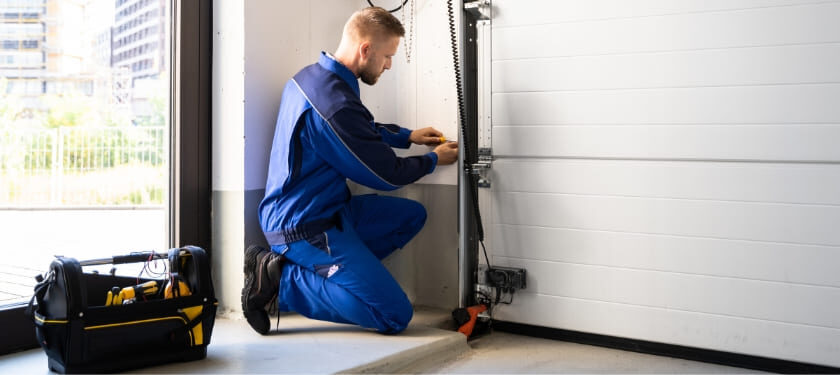
Why Regular Garage Door Inspections Are a Must for Homeowners
Regular garage door inspections catch worn springs, frayed cables, and failing sensors before they leave you stranded or cause injury. A yearly inspection is the cheapest service you can buy for your door, and it heads off the emergency repairs that cost far more. The door is the heaviest moving part of your home, and a single worn part can fail without warning, so a scheduled check is what keeps small problems small.
Most homeowners only think about the garage door when it stops working, usually at the worst possible time. An inspection flips that around. Instead of waiting for a snapped spring to trap your car, you find the worn spring while it is still holding and replace it on your schedule. Here is what an inspection covers and why each part matters.
Why are regular garage door inspections worth it?
An inspection pays for itself in three ways:
- It prevents emergencies. Finding a worn spring or frayed cable early means you replace it on a normal weekday, not during an after-hours emergency call.
- It keeps you safe. The springs, cables, and auto-reverse are safety-critical. A failure can drop a heavy door or let it close on a person or pet.
- It saves money. A yearly check costs a fraction of the chain-reaction repairs that follow when a worn part is left to fail.
Inspections are the front end of good upkeep. Our main garage door maintenance guide covers what to do once an inspection turns something up.
Skipping inspections is a gamble that usually costs more than it saves. A spring that snaps overnight can leave a car trapped in the garage on a workday morning, and an after-hours emergency call costs more than a scheduled repair. A worn cable that lets go can damage the door and the opener at the same time. None of these failures announce themselves in advance, which is the whole point of looking before they happen.
What does a garage door inspection check?
A thorough inspection walks the whole system, part by part:
- Springs. The technician checks tension, balance, and rust, and estimates how much life is left.
- Cables. Frayed strands or wear near the drum mean a cable is close to snapping.
- Rollers and hinges. Cracks, flat spots, and noise show wear that strains the opener.
- Safety sensors. The photo-eyes and auto-reverse are tested so the door stops on contact.
- Tracks and hardware. Alignment, bends, debris, and loose bolts all get checked and corrected.
What warning signs should you watch between inspections?
You do not need tools to notice trouble. Call for a look if you see or hear any of these:
- New grinding, popping, or squeaking during operation.
- The door moving slower, jerking, or pausing.
- The door sagging on one side or looking crooked.
- A gap in the spring above the door, which means it has snapped.
- The door not reversing when it should.
Our guide to the signs it is time to replace your garage door covers when an old door is past inspecting.
How often should you inspect a garage door?
Once a year is the baseline for an average home, ideally in the fall before winter. Inspect more often if:
- Your door runs many cycles a day, which is common for a busy family.
- You live through Colorado's hard freeze-thaw winters, which fatigue springs faster.
- The door is older, since worn parts fail more often.
For why the local climate speeds up wear, see our guide on how weather affects your garage door.
Can you inspect the door yourself?
You can do a useful homeowner check: look for fraying on the cables, listen for new noise, run the auto-reverse test with a roll of paper towels, and watch for a sagging or crooked door. What you should not do is adjust the spring tension or handle the cables. Those parts are under extreme tension, and a slip can cause serious injury. Leave those to a technician.
When should you schedule a professional inspection?
Book a professional inspection once a year, after any sign of trouble, and before you sell a home. A pro can measure spring tension, test the balance, and verify the safety system in a way a homeowner check cannot.
We provide inspections and full garage door repair across Denver and the surrounding suburbs. Schedule an inspection and we will tell you exactly where your door stands.
What a garage door inspection covers
The parts a yearly inspection checks, what the technician is looking for, and why each one matters for safety and reliability.
| Part | What is checked | Why it matters |
|---|---|---|
| Springs | Tension, balance, rust, wear | A snapped spring strands the door |
| Cables | Fraying, wear at the drum | A snapped cable is a safety hazard |
| Rollers and hinges | Cracks, wear, noise | Worn rollers strain the opener |
| Safety sensors | Alignment, auto-reverse | Stops the door on contact |
| Tracks | Alignment, bends, debris | Keeps the door running square |
| Hardware | Loose bolts and brackets | Loose parts speed up wear |
Spring, cable, and balance checks are best done by a technician because of the tension involved.
Inspection vs. emergency repair cost
- Yearly inspection
- $90 to $150
- Spring replacement
- $200 to $450
- Cable replacement
- $150 to $300
- Recommended inspections per year
- 1 (more with heavy use)
A garage door spring is rated for about 10,000 open-close cycles. A yearly inspection tracks where your spring sits in that life so it can be replaced before it snaps.
Source: Door & Access Systems Manufacturers Association (DASMA)
Sources and references
- 1.Garage door counterbalance and safety standards — Door & Access Systems Manufacturers Association (DASMA)
- 2.Automatic garage door opener safety and auto-reverse — U.S. Consumer Product Safety Commission
Part of this guide
Complete GuideGarage Door Maintenance Tips to Extend the Life of Your DoorTechnical resources
Related services
G Brothers provides these services across the Denver metro, from Lakewood and Arvada to Centennial and Thornton.
Frequently asked questions
Garage door maintenance: how often and what's done
How often should you service a garage door? Once a year is the rule. Here is what a garage door maintenance tune-up includes and why it pays off.
Read full answerWhat are the signs my garage door needs repair?
The signs a garage door needs repair: new noises, a sagging door, slow or jerky movement, and a door that will not stay put halfway up.
Read full answerWhat's on a garage door maintenance checklist?
What's on a garage door maintenance checklist? Lubricate parts, test the balance and auto-reverse, tighten hardware, and check rollers, cables, and seals.
Read full answerHow long do garage door springs last?
How long do garage door springs last? Most last 7 to 10 years, or about 10,000 cycles. Denver cold and daily use shorten that. Here's what affects it.
Read full answerShould I repair or replace my garage door?
Should you repair or replace your garage door? It comes down to age, damage, safety, and cost. Here is the line between a smart fix and a new door.
Read full answerWhen should you replace a garage door?
When to replace a garage door instead of repairing it: most last 15 to 30 years, but age, repeat repairs, and rising bills can tip the call to a new one.
Read full answerHave a garage door problem now?
Tell us what your door is doing and we will tell you what is likely wrong and what it costs. Same-day service across the Denver metro.