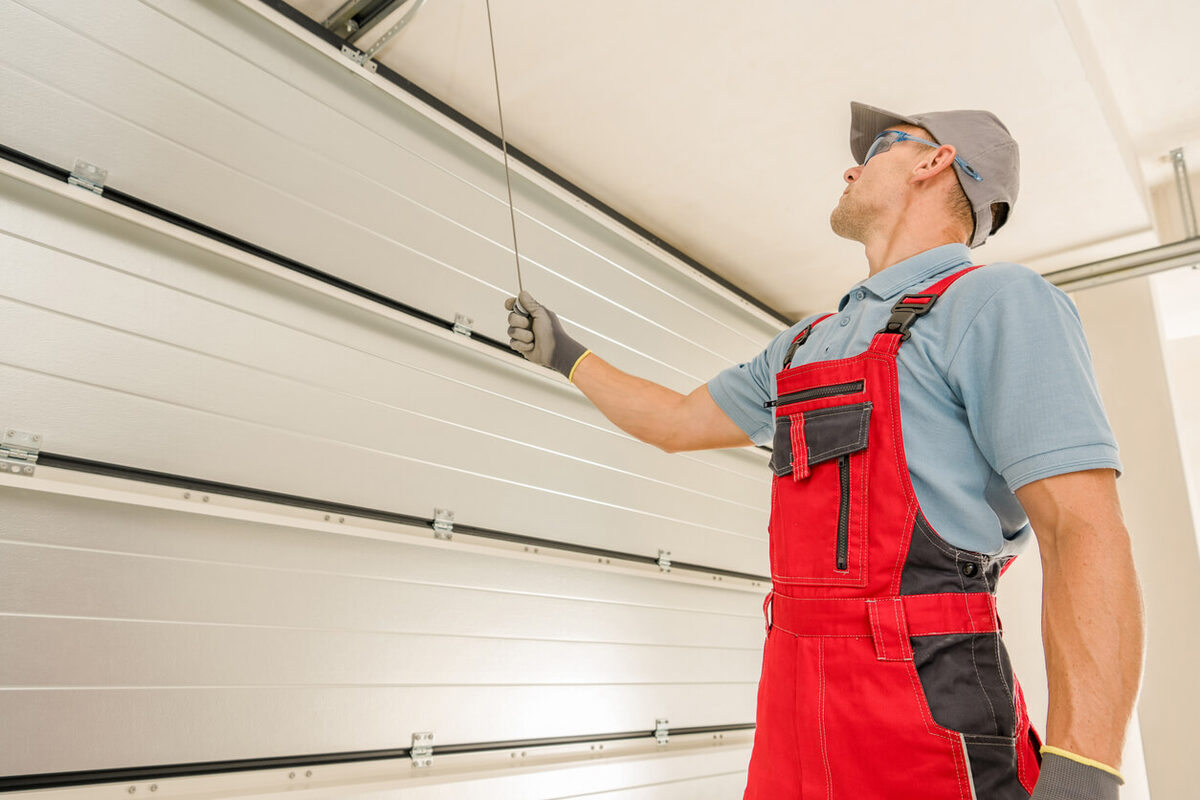
Garage Door Maintenance Tips to Extend the Life of Your Door
The best way to extend the life of your garage door is a short, regular routine: a 10-minute visual inspection each month, lubrication of the moving parts every 6 to 12 months, and a balance and safety test twice a year. That simple habit catches small problems before they become repairs and can add years to the door's life.
Your garage door is one of the largest moving parts of your home, and it cycles thousands of times a year. A little upkeep keeps it quiet, safe, and reliable. Here is exactly what to check and how often, plus which tasks to leave to a technician.
How often should you do garage door maintenance?
Set a simple rhythm and stick to it. Most upkeep is quick and uses tools you already own:
- Monthly: a 10-minute visual inspection and a quick safety test of the auto-reverse.
- Every 6 to 12 months: lubricate the rollers, hinges, springs, and tracks.
- Twice a year: tighten loose hardware and test the door's balance.
- Each season: check the weatherstripping and clean the exterior.
Use the table below as your calendar. For a printable version, see our 15-minute garage door maintenance checklist.
What should a monthly visual inspection cover?
Spend about 10 minutes giving the whole system a once-over. You are looking for early warning signs, not making repairs:
- Check the door itself for dents, cracks, warping, rust, or peeling paint, which matter most on steel and wood doors.
- Look over the hardware: hinges, rollers, tracks, and springs. Watch for rust, corrosion, or visible wear.
- Make sure fasteners are tight and nothing looks bent or out of line.
If you spot a frayed cable or a gap in a spring coil, stop and call a pro. Those parts are under high tension. Our guide on why regular inspections matter explains what each warning sign means.
How do you lubricate a garage door?
Lubrication is the single most effective thing you can do for smooth, quiet operation. Dry parts move stiffly, run loud, and wear out faster:
- Use a silicone-based lubricant or a light garage door oil. Skip heavy grease and oil-based products like WD-40, which attract dust and grit.
- Apply to the rollers, hinges, springs, and the curved track sections. Wipe the tracks clean with a damp cloth first.
- Do not overdo it. Too much lube collects abrasive grit, which wears parts faster.
For a chain or screw-drive opener, add a little of the lubricant the manufacturer recommends. Our walkthrough on how to lubricate a garage door shows which parts to hit and which to leave alone.
How do you tighten loose hardware?
Thousands of open-close cycles shake bolts and screws loose, which causes rattling, vibration, and misalignment over time. Twice a year, go around and snug things up:
- Tighten the bolts and screws on the brackets, hinges, and tracks with a wrench or screwdriver.
- Check the opener's mounting brackets where it attaches to the ceiling or wall.
- Do not overtighten. Stripping a bolt or its thread creates a new problem.
A stable, tight door runs quieter and puts less strain on the opener. This one step often clears up noise and wobble on its own.
How do you test the door's balance?
A balanced door is easy on the opener and the springs. An unbalanced one forces both to work harder, which shortens their life:
- Pull the emergency release cord to disconnect the opener.
- Lift the door by hand to about waist height and let go.
A balanced door stays put. If it slides down or rises on its own, the spring tension is off. That is a spring adjustment, so leave it to a technician rather than working on the springs yourself.
How do you test the safety features?
Two safety systems protect your family, and both take a minute to check each month. Test them and never disable them:
- Auto-reverse: lay a block of wood or a roll of paper towels flat in the door's path and close the door. It should reverse the moment it touches the object.
- Photo sensors: with the door open, start it closing and wave a broom handle through the beam near the floor. The door should stop and reverse.
Wipe the sensor lenses clean, since dust and cobwebs can block the beam, and make sure they point straight at each other. If either test fails after cleaning and realigning, call a pro to inspect and repair the system.
What maintenance matters most in Colorado's climate?
Denver's freeze-thaw swings, dry air, and intense sun are hard on seals and finishes, so a couple of seasonal tasks pay off here:
- Weatherstripping: check the bottom seal and side and top stripping for cracks or brittleness, and replace worn sections to keep out drafts, moisture, and pests.
- Exterior cleaning: wash steel doors with mild detergent and water, touch up rust spots, and reseal or repaint wood doors before sun and snow damage set in.
Hail and UV take a real toll on Front Range doors. Our guide on how weather affects your garage door covers what to watch for through the seasons.
When should you call a professional?
Inspections, lubrication, tightening hardware, cleaning, and safety tests are all safe to do yourself. Call a pro for anything involving spring tension or cables, a balance test the door fails, or a safety feature that will not pass after cleaning and realignment.
We offer scheduled garage door service and tune-ups across the metro that handle the spring and cable work for you. To book a maintenance visit, get a free estimate or call us at (720) 421-6489. We serve homeowners throughout the Denver metro area, including Lakewood, Arvada, and Thornton.
Garage door maintenance schedule
A simple calendar of what to check and when. Most tasks take a few minutes and use tools you already own.
| Task | How often | DIY or pro |
|---|---|---|
| Visual inspection of door and hardware | Monthly | DIY |
| Lubricate rollers, hinges, springs, tracks | Every 6 to 12 months | DIY |
| Tighten loose bolts and brackets | Twice a year | DIY |
| Test balance with opener disconnected | Twice a year | DIY |
| Test auto-reverse and safety sensors | Monthly | DIY |
| Inspect and adjust springs | As needed | Pro |
Anything involving spring tension or cables is a pro job. Everything else on this list is safe to do yourself.
Why maintenance pays off
- Typical door lifespan, well maintained
- 15 to 30 years
- Spring rated cycles before replacement
- ~10,000 cycles
- Recommended lubrication interval
- Every 6 to 12 months
- Monthly inspection time
- ~10 minutes
A well-maintained garage door commonly lasts 15 to 30 years, while a neglected one can fail in half that time. Routine upkeep is the cheapest way to protect the investment.
Source: Door & Access Systems Manufacturers Association (DASMA)
Sources and references
- 1.Garage door safety and counterbalance system standards — Door & Access Systems Manufacturers Association (DASMA)
- 2.Automatic garage door opener safety and auto-reverse testing — U.S. Consumer Product Safety Commission
- 3.Weatherstripping and sealing air leaks at home — ENERGY STAR
Explore this guide
- Garage Door Maintenance Checklist: A 15-Minute Monthly RoutineRun through this 15-minute checklist once a month: a visual inspection, a balance test, a safety-reverse test, and targeted lubrication. That routine catches most problems before they become repairs and adds years to the door's life.Read guide
- How to Lubricate a Garage Door the Right WayTo lubricate a garage door, use a silicone or lithium-based spray on the hinges, rollers, springs, and bearings every six months. Skip the tracks and never use WD-40 as a lubricant. The whole job takes about fifteen minutes.Read guide
- Why Regular Garage Door Inspections Are a Must for HomeownersRegular garage door inspections catch worn springs, frayed cables, and failing sensors before they leave you stranded or cause injury. A yearly check is the cheapest way to avoid an emergency repair.Read guide
- Garage Door Maintenance in Lakewood: A Seasonal ChecklistGarage door maintenance in Lakewood comes down to a short seasonal routine: tighten hardware, lubricate moving parts, test the balance and safety reverse, and check the seals. Twenty minutes twice a year heads off most winter failures.Read guide
Technical resources
Related services
G Brothers provides these services across the Denver metro, from Lakewood and Arvada to Centennial and Thornton.
Frequently asked questions
Garage door maintenance: how often and what's done
How often should you service a garage door? Once a year is the rule. Here is what a garage door maintenance tune-up includes and why it pays off.
Read full answerWhat's on a garage door maintenance checklist?
What's on a garage door maintenance checklist? Lubricate parts, test the balance and auto-reverse, tighten hardware, and check rollers, cables, and seals.
Read full answerHow often should I lubricate my garage door?
How often to lubricate a garage door: twice a year for most homes, more in dry Colorado air. Learn which parts to grease and which lubricant to use.
Read full answerHow do I stop my garage door from squeaking?
To stop a garage door squeaking, lubricate the hinges, rollers, springs, and bearings with the right product. Here's the fix and why WD-40 makes it worse.
Read full answerHow does garage door auto-reverse safety work?
How garage door auto-reverse safety works: two federally required systems, the photo-eye beam and the force sensor, that stop and reverse a closing door.
Read full answerHail and sun damage to a garage door in Colorado
Garage door hail damage and sun damage in Colorado: what is cosmetic, what is structural, and when to repair one panel versus replace the whole door.
Read full answerHave a garage door problem now?
Tell us what your door is doing and we will tell you what is likely wrong and what it costs. Same-day service across the Denver metro.